Jim Corbett, born Christopher Jim Corbett on July 25, 1875, in Nainital, Uttarakhand, India, is best known for his pioneering work as a naturalist, hunter, and conservationist. He is widely regarded as one of India’s greatest wildlife heroes and is particularly famous for his role in the establishment of Jim Corbett National Park, India’s first national park, which was named in his honor.
Full Name : Edward James Corbett
Born : 25 July 1875, Nainital, Kumaon Hills, United Provinces (now Uttarakhand, India)
Parents : Christopher William Corbett (postmaster) and Mary Jane Corbett
Siblings : He was the eighth of thirteen children.
Birth and Family : Jim Corbett was born to an Anglo-Indian family. His father, Christopher Corbett, worked as an accountant in the British colonial government, and his mother, Mary Corbett, was of British descent. He was the eldest of seven children
Education : Corbett was educated at St. Joseph's College in Nainital, where he developed an interest in nature, hunting, and the outdoors. However, he was largely self-taught when it came to the study of wildlife and its behavior.
Early Interest in Nature
From a young age, Corbett was fascinated by the natural world, especially wildlife. His early fascination with nature, along with his family's love of outdoor life, led him to spend much of his time exploring the jungles of the region.
Hunting : Although Corbett grew up in an environment that celebrated hunting, he did not initially see it as a means of conservation. His first exposure to hunting came during his early adulthood when he worked as a railway station master** in **Manduadih** (now part of the **Uttarakhand**) and occasionally hunted animals for food. Over time, he became a skilled marksman and hunter.
Big Game Hunter : As he grew older, Corbett's hunting activities became more focused on large predators, particularly man-eating tigers and leopards that had terrorized local communities in the Kumaon and Garhwal regions of India. His exceptional skill as a hunter became widely known, and he was called upon by local communities and the British authorities to track and kill these dangerous animals.
Contribution to Wildlife Conservation
Although Corbett was initially known for his prowess as a hunter, over time he began to see the importance of preserving the natural habitat and wildlife he had spent so much time studying.
Man-Eating Tigers and Leopards : Jim Corbett is most famous for hunting and killing the man-eating Bengal tigers and leopards that terrorized the villages in the Kumaon region. The most famous of these was the **Champawat Tiger**, a Bengal tiger responsible for over 400 deaths, which Corbett tracked and killed in 1907.
However, Corbett’s approach to hunting was always cautious. He believed in killing only those animals that had turned man-eater after losing their natural fear of humans, often due to injury or old age. His reports and writings reflected a deep understanding of the animals and their circumstances, unlike a mere celebration of hunting prowess.
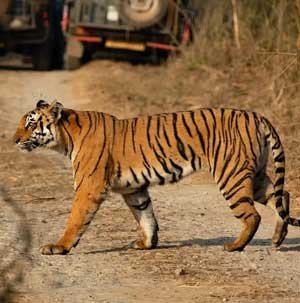
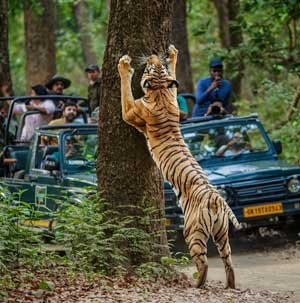
Corbett National Park : Jim Corbett's conservation efforts were pivotal in the establishment of the Jim Corbett National Park in **1936**, which was initially named **Hailey National Park**. He played a key role in lobbying for the park's creation and was involved in ensuring the protection of the Bengal tiger population. The park, located in the state of Uttarakhand, is now one of the most famous wildlife sanctuaries in India and serves as a symbol of his life-long commitment to wildlife conservation.
The park was renamed Jim Corbett National Park after his death, in honor of his contributions to the preservation of wildlife in India. Today, the park is a UNESCO-designated **tiger reserve**, and its creation laid the foundation for India's tiger conservation efforts.
Writing and Legacy
Jim Corbett was not just a hunter but also an acclaimed writer and an advocate for the protection of wildlife. His writing captured the beauty of the Indian wilderness and his deep empathy for the animals he encountered. He wrote several famous books during his lifetime
Man-Eaters of Kumaon" (1944) : This is one of Corbett's most famous works. It recounts his adventures as he tracks and kills several notorious man-eating tigers and leopards, providing an in-depth understanding of his relationship with nature and the animals he encountered. The book remains a classic in the field of wildlife literature.
The Temple Tiger and More Man-Eaters of Kumaon" (1954) : Another of his famous works, this book shares his experiences in tracking dangerous animals and his observations on their behavior.
My India" (1952) : In this book, Corbett reflects on his love for India, its people, and its wildlife. It’s a tribute to the country that shaped his life and career.
Through his writing, Corbett's advocacy for the protection of wildlife and their habitats helped raise awareness about the need for conservation long before it became a global movement.
Personal Life
The Corbett Family : Jim Corbett never married. However, he was deeply connected to his family, particularly his sister, and lived with them in India until his later years. He also maintained close friendships with local people, with many having great admiration for him due to his willingness to protect them from dangerous animals.
Later Years : In 1947, after India gained independence, Corbett moved to Kenya, where he lived for the last years of his life. He spent much of his time studying African wildlife but remained dedicated to India's conservation efforts. He also tried to raise funds for the upkeep of Jim Corbett National Park during his time abroad.
Death : Jim Corbett passed away on **April 19, 1955**, in **Nyeri, Kenya**. His legacy continues to inspire generations of conservationists, hunters turned naturalists, and animal lovers around the world.
Key Achievements
Pioneer in Conservation : Jim Corbett was ahead of his time in recognizing the importance of preserving wildlife and their habitats. His work laid the foundation for wildlife conservation in India.
Founder of India’s First National Park : Corbett played a significant role in the creation of the Jim Corbett National Park in 1936.
Man-Eater Hunter : His legendary role in hunting man-eating tigers and leopards earned him widespread fame.
Author and Advocate : His books and writings continue to educate and inspire people about wildlife conservation.
Honors and Recognition
Jim Corbett National Park : One of the biggest tributes to his legacy, the national park not only honors his work but continues to be a key conservation area for tigers in India.
Corbett Foundation : Established in 1990, this organization continues to promote the conservation of wildlife in the Corbett region.
Conclusion
Jim Corbett’s life is a testament to the delicate balance between the human population and the wilderness. He evolved from a skilled hunter to a passionate advocate for the preservation of wildlife and their habitats. His legacy lives on in the **Jim Corbett National Park**, his books, and the ongoing efforts for tiger conservation in India. His compassion for animals and his desire to protect the environment have left an indelible mark on India’s conservation history.