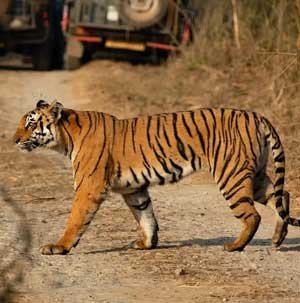

Pawalgarh is a biodiversity hotspot renowned for its rich avian diversity and serene forested environment.The area is named after the legendary “Bachelor of Pawalgarh,” a large tiger made famous by Jim Corbett.However, Pawalgarh has become just as famous for its incredible bird population.With over 350 recorded species of birds, including both Himalayan foothill residents and plains species, it is one of the best bird watching destinations in North India.
Location
Pawalgarh Conservation Reserve (PCR) lies near Ramnagar, in the Nainital district of Uttarakhand, around 25–30 km from Corbett National Park and about 270 km from Delhi.It is spread across the foothills of the western Himalayas, between the Kosi and Dabka rivers, and forms part of the Corbett Tiger Reserve landscape.
Why It’s Excellent for Bird Watching
There are several reasons that make Pawalgarh a standout spot :
High Bird Diversity
- The reserve boasts over 365 species of birds (some sources say “365+”).
- The variety of habitats (forest, riverine, grassland) supports both resident and migratory birds.
- It’s noted especially for its woodpecker diversity (16 species recorded) and old‐growth Sal forest which supports them.
Walking Trails & Intimate Experience
- Unlike many sanctuaries where only vehicle safaris are permitted, here you can walk along trails and move at a quieter pace, which is ideal for birdwatching.
- Guided nature tours are available : local guides trained in bird and nature interpretation lead walks.
Rich Habitat Mix
- The mix of mature Sal forest, river tributaries (such as the Dabka, Baur rivers) and open or semi-open grassland or scrub gives niches for different kinds of birds (forest dwellers, water/edge birds, raptors, etc.).
- Example : mature trees for woodpeckers, rivers/streams for kingfishers or water‐birds, open/edge zones for raptors.
What You Might See – Bird Highlights
Here are some noteworthy bird groups and species:
Woodpeckers : The reserve is famous for having many woodpecker species including the large Great Slaty Woodpecker.
Raptors and vultures : Species such as Himalayan Vulture, Egyptian Vulture, etc are recorded.
Forest & edge species : e.g., the Nepal Wren Babbler, common green magpie, etc.
Water/river margin birds : kingfishers, cormorants, herons along riverine stretches.
When to Visit & Seasonal Notes
- Best time for bird watching is generally October to March, when many migratory birds may be present and the forests are comfortable.
- However, good bird-watching can be done outside this too — the landscape is productive year-round for resident species.
- Early mornings (dawn to mid-morning) are the most active for birds.
Practical Tips for Birders
- Bring good binoculars and, if you’re a photographer, a telephoto lens will help.
- Early start : 6 am to 10 am is best for bird activity.
- Dress in muted/natural colours (greens, browns) so as not to startle birds.
- Trail footwear, water, snack, insect repellent recommended (forest + riverine areas).
- Local guides are very helpful — they know bird calls, typical spots, timing.
- Respect the habitat: stay on trails, don’t disturb nests/birds, follow local rules.
- Given the variety of habitats, you may encounter not just birds but also other wildlife (mammals, butterflies) so stay alert.
- Best to check latest permissions / entry before going, since forest/trails may have regulations.