A night stay in the Corbett area typically involves arriving in the afternoon or early evening, spending the evening and overnight at the resort or lodge, possibly with a jungle‑walk or camp‑fire, and then departing the next morning (or staying additional nights if booked). It’s a comfortable way to experience the wildlife zone, forest atmosphere and nature without committing to multiple nights.
Unlike many wildlife parks where you must leave before night falls, Corbett allows overnight accommodation inside certain zones of the park in government forest rest houses (FRHs).You’ll lodge within the park boundaries, often deep in the forest, staying in lodges/rest houses run by the Forest Department (or authorized) rather than standard hotels. This gives you a chance to hear the forest at night, possibly sight wildlife near the lodge, and wake up inside the jungle.
What you’ll likely get
Accommodation : A lodge or resort (could be a cottage, deluxe tent, wooden cabin or standard room) nestled near or inside the park buffer zone. The room usually has basic amenities: bed, bathroom, hot water, sometimes air‐conditioning or fan depending on category.
Dinner & Breakfast : Most packages include an evening meal and breakfast the next morning. Dinner may be served after dusk, often by candle or subdued lighting in forest setting.
Evening Program : Many places offer a camp‐fire, storytelling about wildlife, or a nature walk at dusk. You might hear night‐sounds of the forest: owls, insects, maybe even movement of bigger animals.
Early Morning Activity : If you’re staying inside the park or in a good zone, you’ll be offered an early morning jungle safari (in jeep or canter) into the park, or a bird‐watching walk, depending on the resort.
Nature & Forest Ambience : The major attraction is the forest setting: you’ll likely stay amid greenery, hear chirping birds early, maybe spot deer, langurs or even glimpses of bolder wildlife from the lodge boundary.
Departure or Next Move : After breakfast you’ll check out or move on. If you booked only one night, you’ll likely leave by mid‐morning.
Accommodation & Facilities
- The forest rest houses (FRHs) are basic. They focus on the wilderness experience rather than luxury. For example, many do not have air‑conditioning, some have limited electricity, simple rooms.
- Some rest houses are historic colonial‑era buildings (for example in Dhikala) giving a heritage feel.
- Food : Vegetarian meals only inside core zones, non‑vegetarian is prohibited.
- Each zone has a set of rest houses run by the forest department; some may have on‑site vegetarian canteen (e.g., in Dhikala, Bijrani) while others may have a kitchen facility and you bring raw ingredients.
- Safety : The lodges are fenced (electric fencing in some cases) for protection from wildlife at night. But you are still very much inside forest terrain—so you’ll hear animal sounds, possibly see glowing eyes at night.
Booking & Permits
- Book well in advance. Especially for zones like Dhikala, availability is limited. For Indian nationals, booking at least ~45 days before is recommended; foreign nationals may need earlier.
- Permits are required (entry permit + lodge booking + safari permit). These are managed by the forest department.
- You’ll need ID for each visitor (age, gender details, photo ID like Aadhaar or Passport).
- Ensure you abide by the rules about zones open/closed (seasonal closures due to monsoon). Some zones may only be open from mid‑November to June.
Expect & Wildlife Experience
- As you stay inside the forest, you’ll hear the sounds of the jungle at night : rustling leaves, animal calls, perhaps deer or wild boar moving outside the fence.
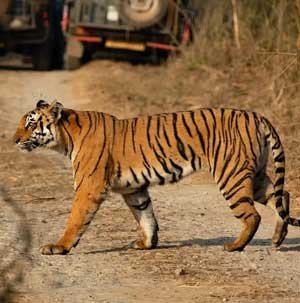
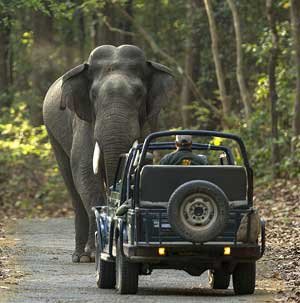
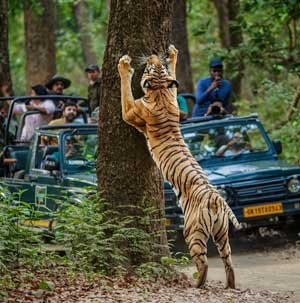
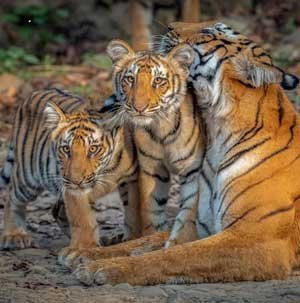
- You may see wildlife during safaris : tigers, elephants, deer, birds etc — each zone has different possibilities. Dhikala is noted for high wildlife density.
- You will not wander freely after dark — movement is restricted; safaris are by forest‑registered vehicles with guides.
Best Time to Visit for Night Stay
- The core zones like Dhikala are open from around mid‐November to mid/late June (i.e., avoiding heavy monsoon season) for night stay.
- Jhirna zone is open year‑round.
- Wildlife activity tends to be good in winter & early summer; mornings and evenings are best for sightings.
Zones & Accommodation Options
You have two broad categories of stay :
Inside the core park (FRH / Lodges)
- In these zones there are forest rest houses (FRHs) or lodges operated/regulated by the forest authorities.
- The park is divided into tourism zones (e.g., Dhikala Zone, Bijrani Zone, Jhirna Zone).
- For example, in Dhikala you’ll find various categories: Old Forest Rest House (5 rooms), New Forest Rest House (4 rooms), Annex (7), Hutments (6), Dormitories etc.
- These stays are rustic and nature‑immersed : you’re inside the forest, hearing wildlife at night, staying close to safari routes.
Outside the core but near the park (Resorts / Hotels / Homestays)
- If you prefer more comfort, luxury or easier access, many resorts/hotels/homestays exist on the periphery of the park.
- They offer amenities like swimming pools, kids’ zones, outdoor games, etc.
Rules & Limitations
- The zones are only open for night stay in certain months (typical: mid‑Nov to end June) because of monsoon closures.
- Booking must typically be done well in advance (45 days or more) because limited rooms and high demand.
- No private vehicles inside core zone; safari vehicles licensed by forest dept only.
- Non‑vegetarian food, alcohol inside FRH may be prohibited.
- Some comforts will be missing (AC, TV, maybe intermittent electricity) if staying in core rest‑house. So expectation setting is important.
- Carry valid ID (for each person). Guides might be mandatory on safari.